
+86 18395326713
information to be updated

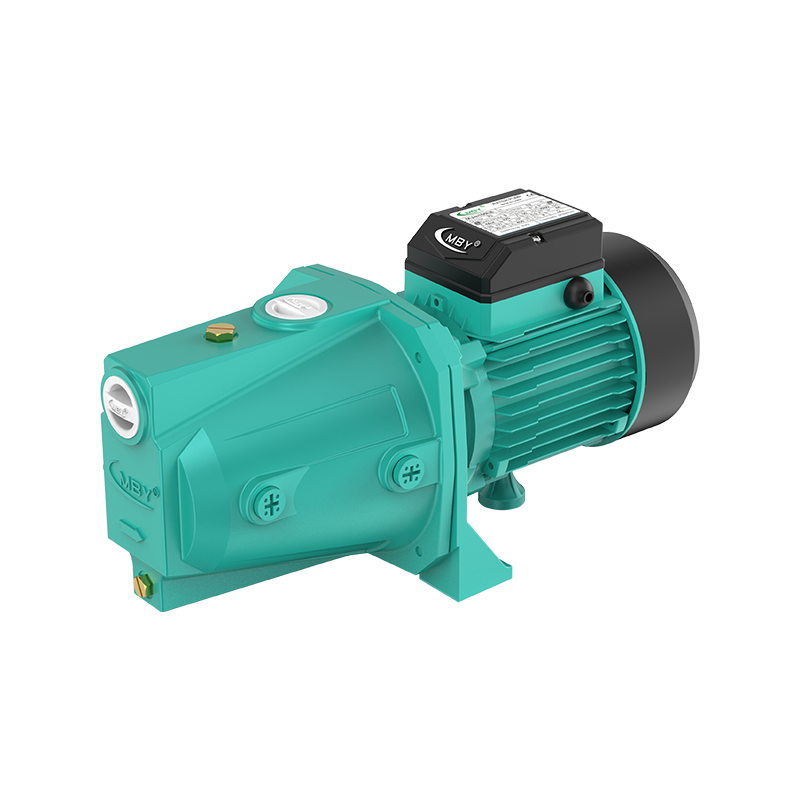
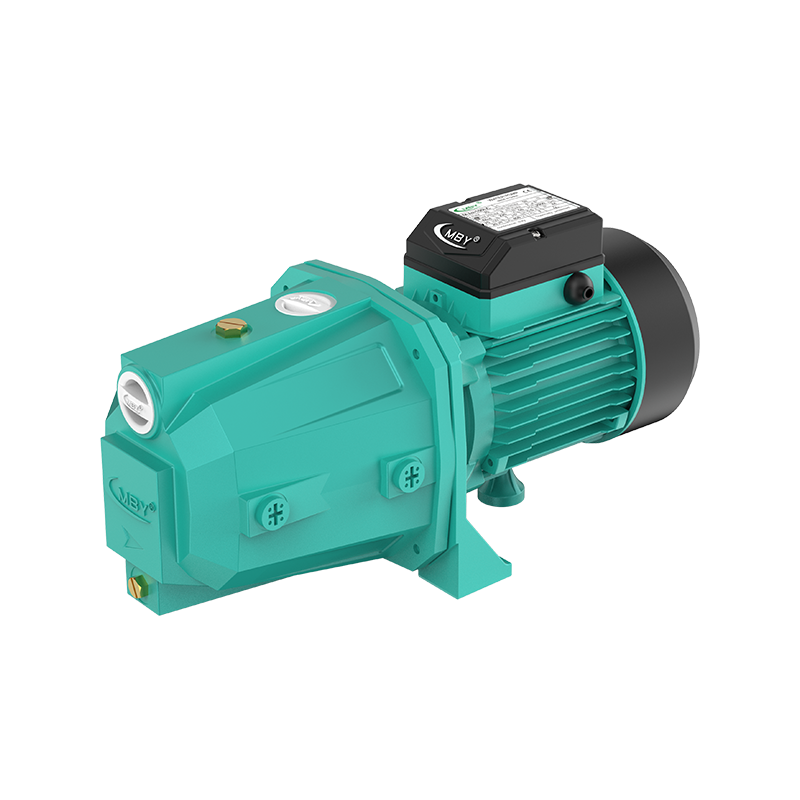
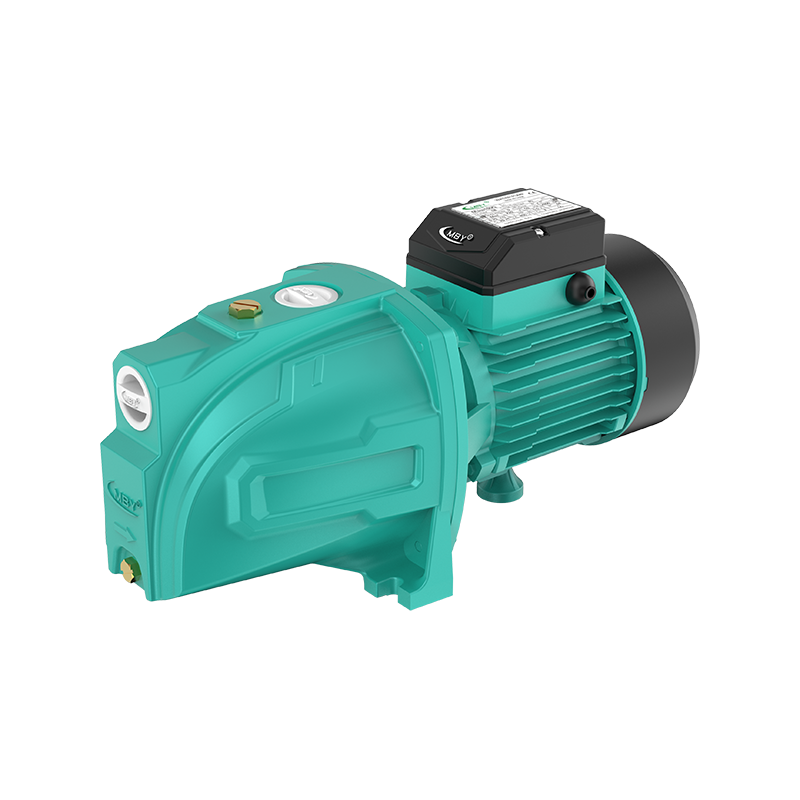
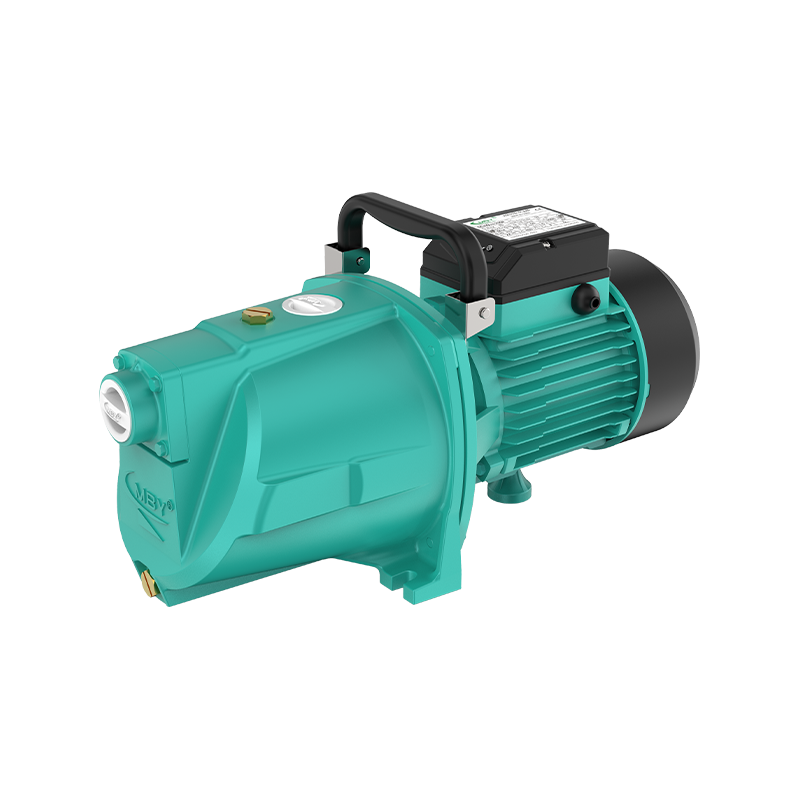
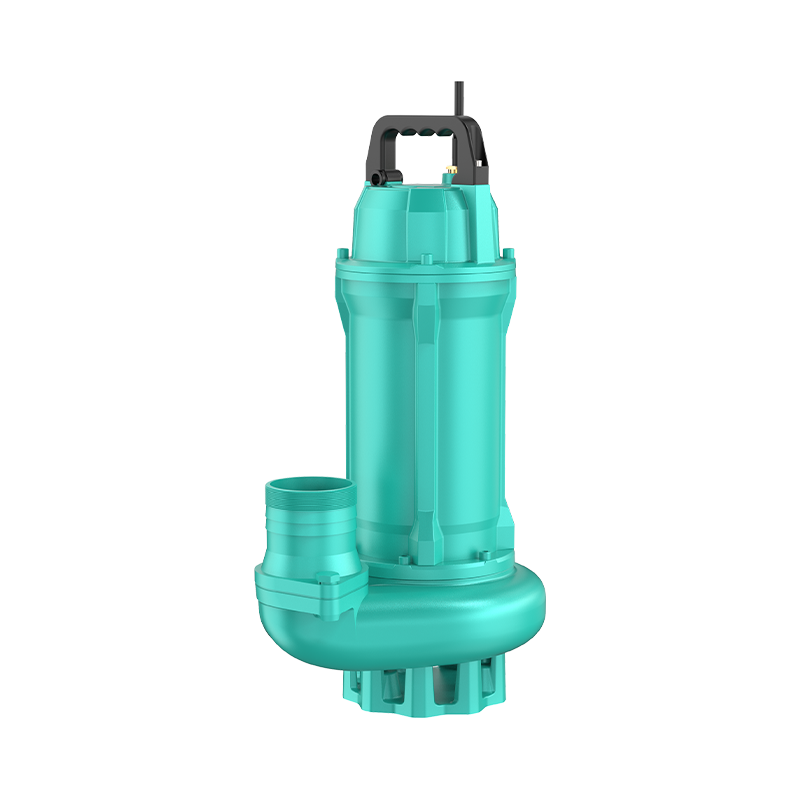
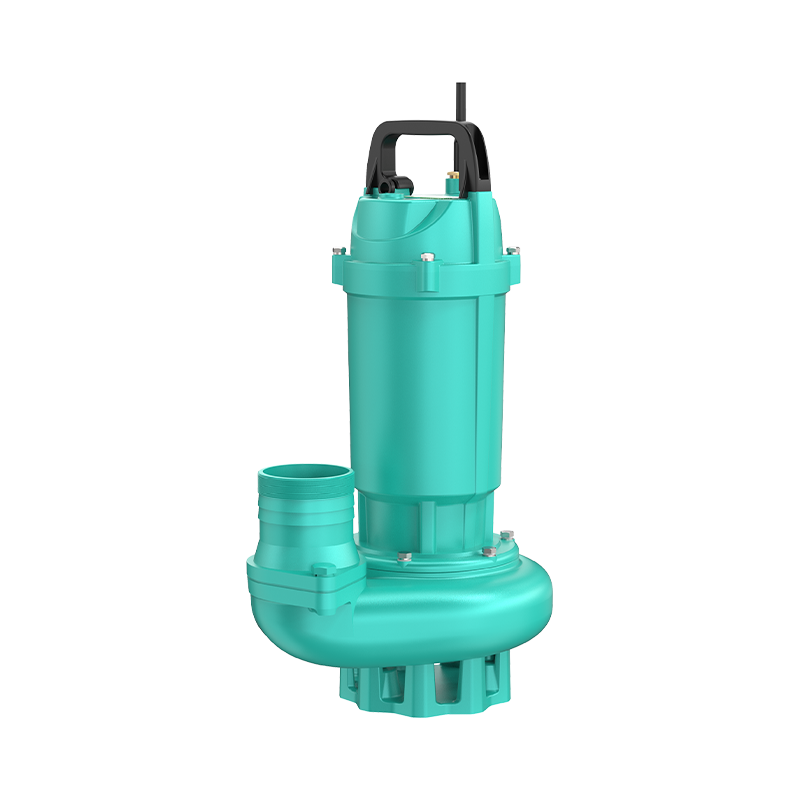
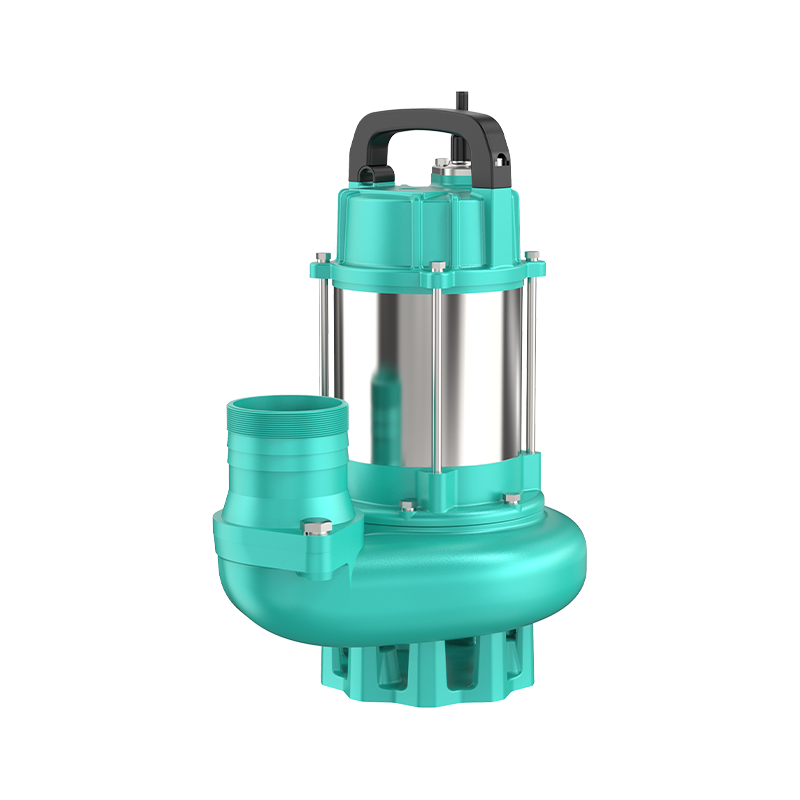
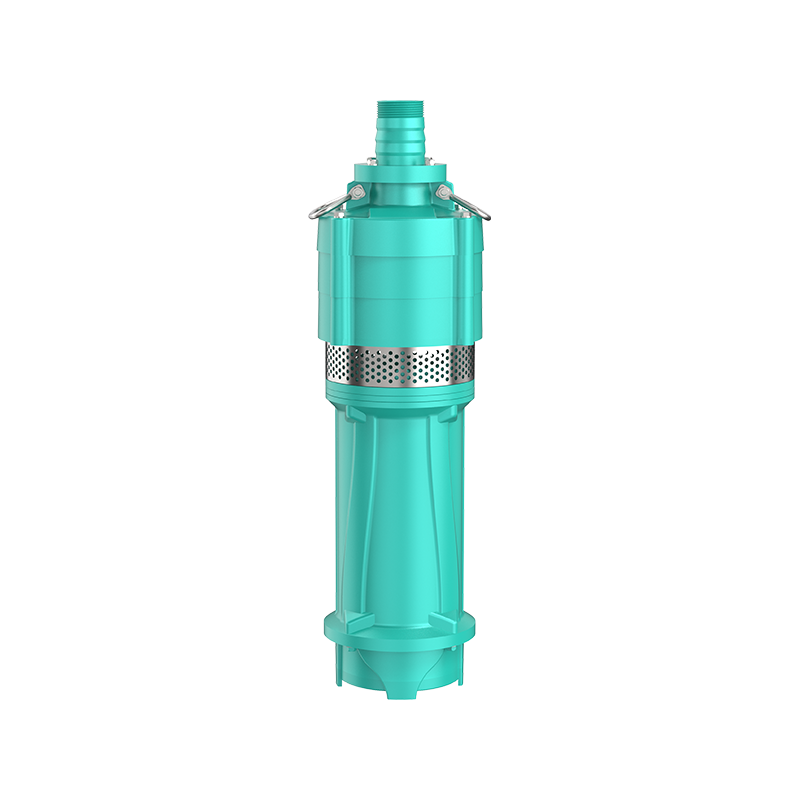
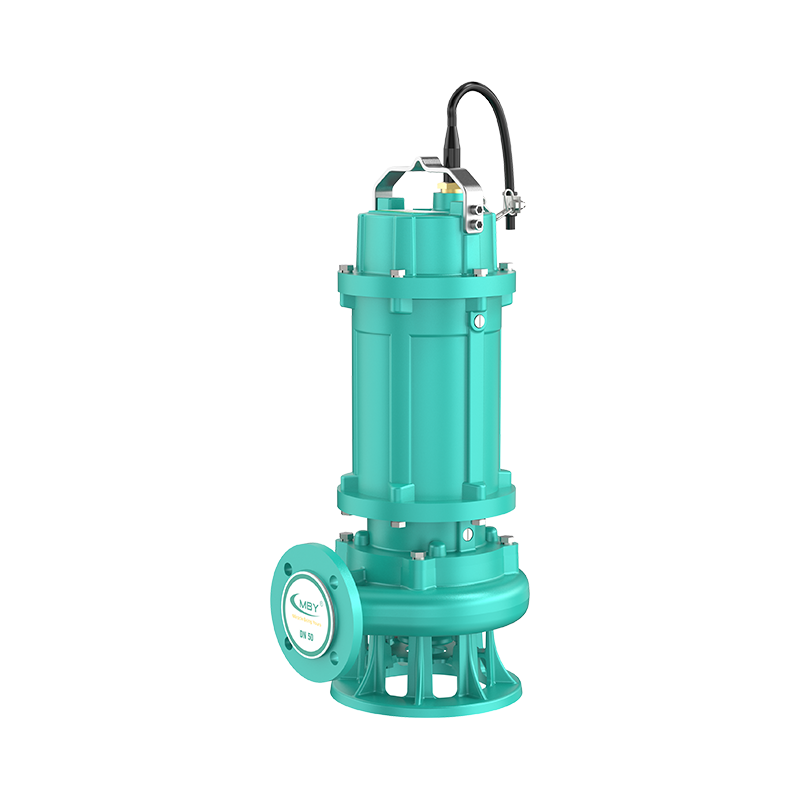
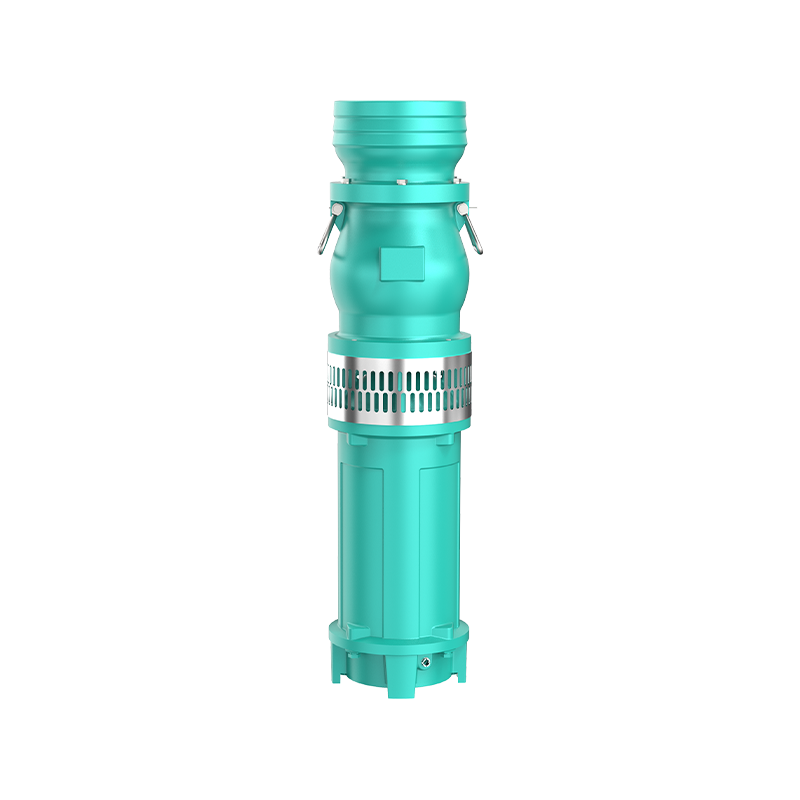
গভীর কূপ পাম্প হল একটি যান্ত্রিক সরঞ্জাম যা বিশেষভাবে একটি গভীর কূপ থেকে ভূগর্ভস্থ জল আহরণের জন্য ব্যবহৃত হয়। এটি ব্যাপকভাবে কৃষিজমি সেচ, শহুরে জল সরবরাহ, শিল্প ও খনির উদ্যোগ এবং মালভূমি এবং পাহাড়ী এলাকায় মানুষ এবং পশুদের জন্য জলের ক্ষেত্রে ব্যবহৃত হয়। একটি গভীর কূপ পাম্প একটি জল উত্তোলন মেশিন যা সরাসরি একটি মোটর এবং একটি জল পাম্পের সাথে সংযুক্ত থাকে এবং জলে কাজ করে। এটি একটি সাবমার্সিবল পাম্প, একটি ডুবো মোটর, একটি জলের পাইপ, একটি কেবল এবং একটি স্টার্ট-আপ সুরক্ষা ডিভাইস নিয়ে গঠিত। এই পাম্প সরাসরি পানির নিচে কাজ করতে পারে, তাই একে গভীর কূপ সাবমারসিবল পাম্পও বলা হয়। মোটর এবং জল পাম্পের সমন্বিত নকশার কারণে, কাঠামো তুলনামূলকভাবে সহজ এবং রক্ষণাবেক্ষণ সুবিধাজনক। পানিতে ডুবে গেলে শক্তির ক্ষতি কমে যায় এবং কাজের দক্ষতা উন্নত হয়। গভীর কূপ পাম্প কঠোর পরিবেশে ক্রমাগত কাজ করতে পারে এবং উচ্চ নিরাপত্তা এবং নির্ভরযোগ্যতা আছে। গভীর কূপ পাম্পের ইনস্টলেশন, ব্যবহার এবং রক্ষণাবেক্ষণ তুলনামূলকভাবে সহজ, একটি ছোট পদচিহ্ন সহ এবং একটি পাম্প রুম তৈরি করার প্রয়োজন নেই। কূপের পাইপ এবং জলের পাইপের জন্য কোনও বিশেষ প্রয়োজনীয়তা নেই এবং এটি বিভিন্ন ধরণের কূপের জন্য উপযুক্ত। গভীর কূপ পাম্পের প্রয়োগের ক্ষেত্রগুলি খুবই প্রশস্ত, যার মধ্যে প্রধানত: কৃষিজমি সেচ, শহুরে জল সরবরাহ, শিল্প ও খনির উদ্যোগ এবং মালভূমি এবং পাহাড়ী এলাকায় মানুষ ও গবাদি পশুর জন্য জল। গভীর কূপ পাম্পের পরিষেবা জীবন বাড়ানোর জন্য, নিয়মিত রক্ষণাবেক্ষণ এবং যত্ন অত্যন্ত গুরুত্বপূর্ণ। এর মধ্যে রয়েছে মোটর ইনসুলেশন চেক করা, কারেন্ট এবং ভোল্টেজ পরিমাপ করা এবং পরা অংশগুলি নিয়মিত প্রতিস্থাপন করা।
information to be updated
Tefusen সম্পর্কে
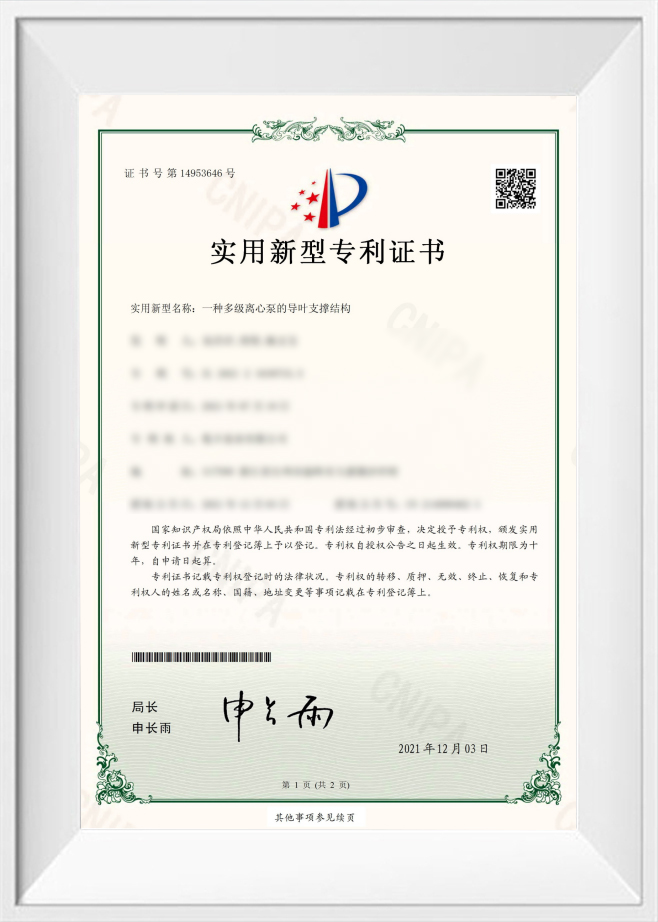
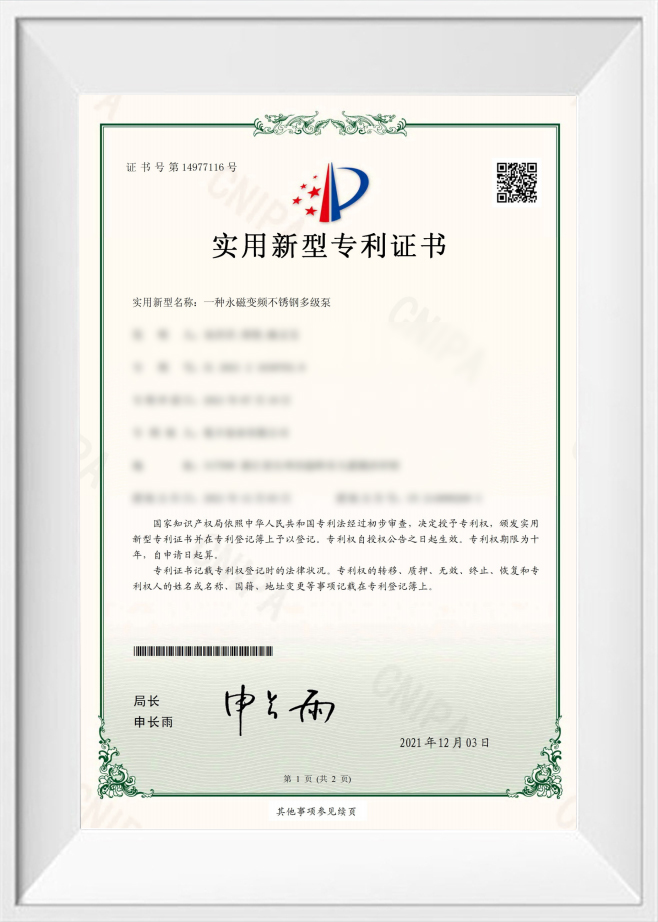
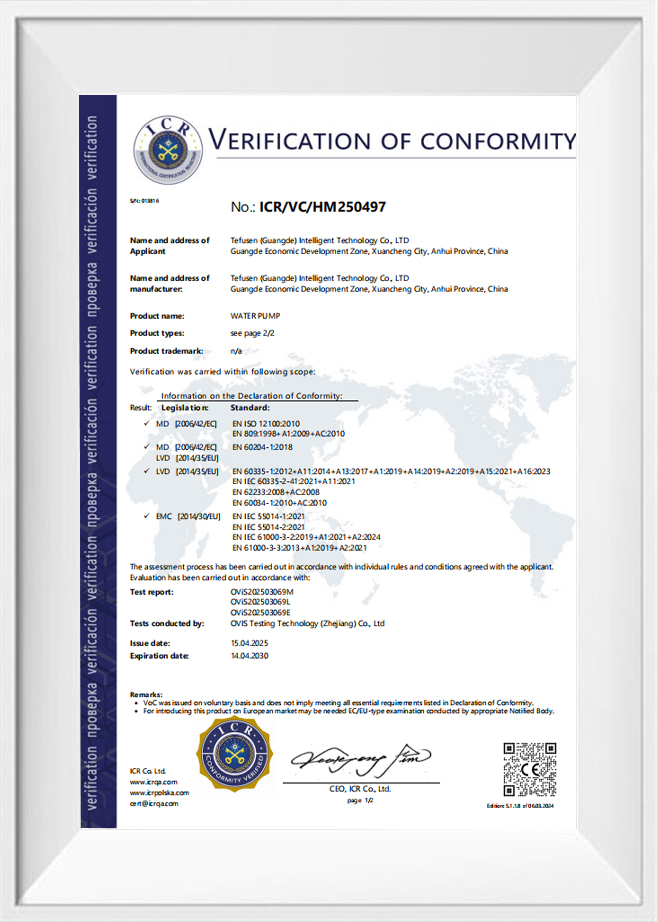
সম্মাননা
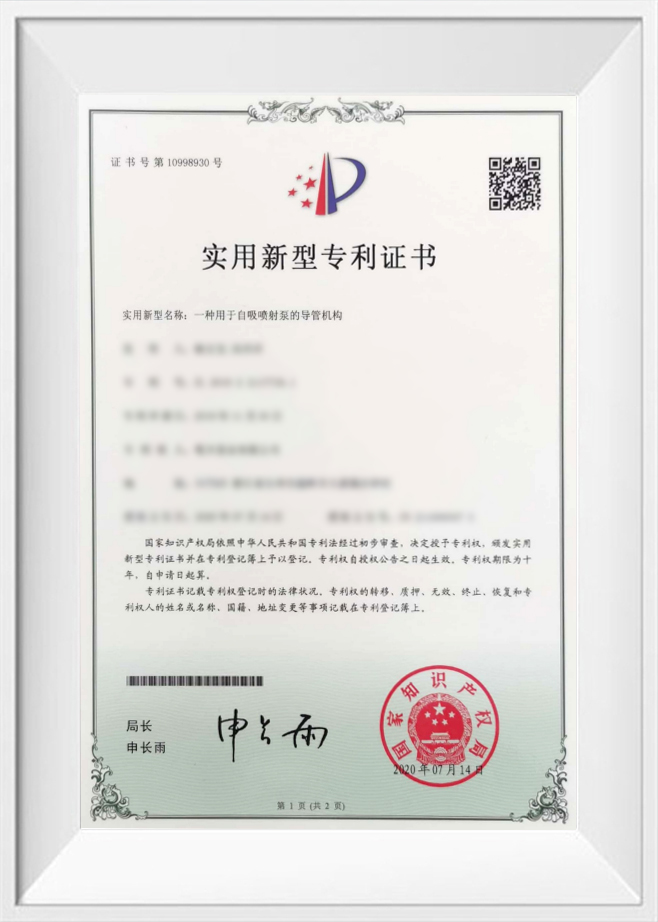
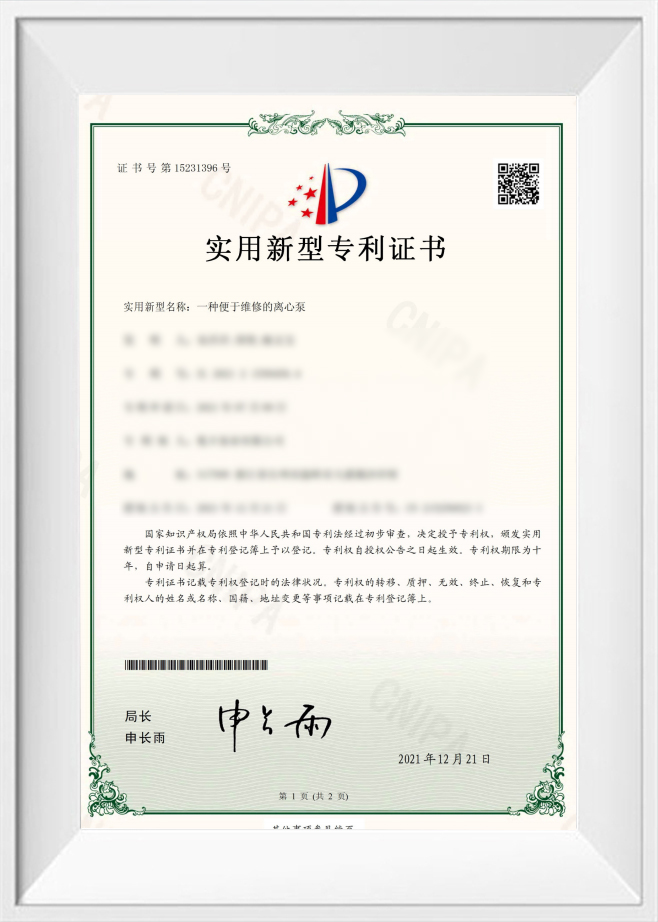
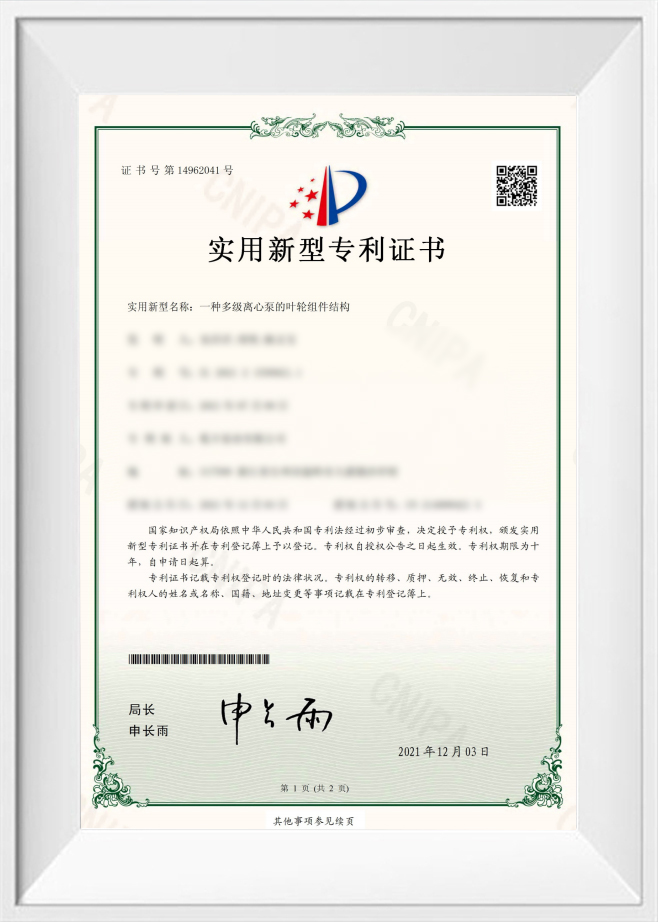
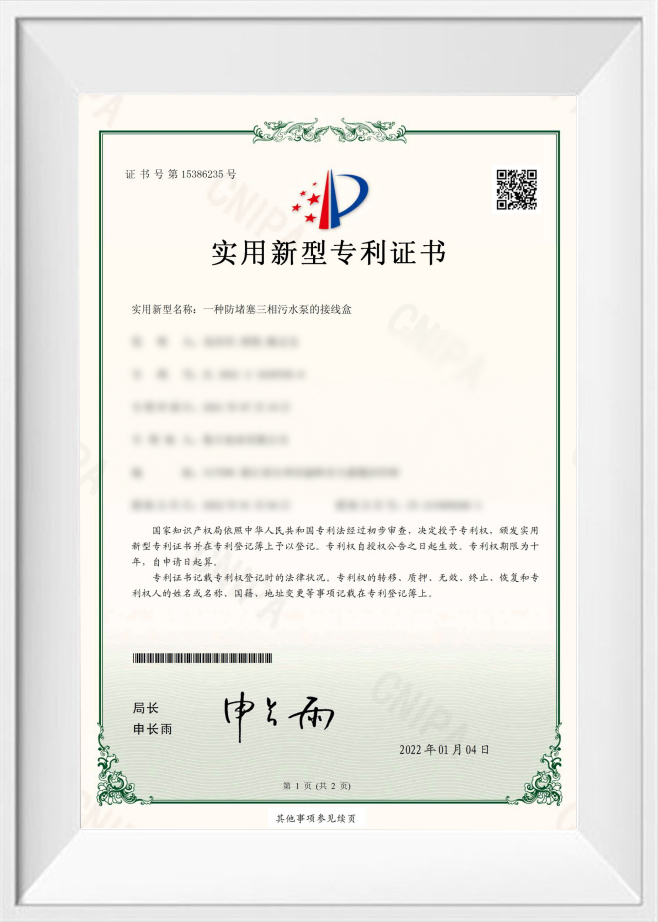
সর্বশেষ আপডেট
গভীর ওয়েল পাম্প শিল্প জ্ঞান
A reliable water supply is the lifeblood of any home or operation dependent on a well. At the heart of this system lies a workhorse engineered for durability: the submersible deep well pump. Designed to operate silently hundreds of feet below the surface, this critical equipment is out of sight but should never be out of mind. Unlike above-ground appliances, its failure is not always sudden or obvious. Instead, it often provides a series of subtle warnings before a complete breakdown occurs. Recognizing these early signs is paramount to preventing costly emergencies, water shortages, and potential damage to the pump itself.
Understanding the fundamental design of this pump type is key to diagnosing problems. A submersible deep well pump is a long, cylindrical unit that is lowered into the well casing. It is a multi-stage pump, meaning it contains a series of impellers stacked on a single shaft, each working to push water to the next stage, thereby building sufficient pressure to lift water from great depths to the surface. The entire assembly is connected to a hermetically sealed, oil-filled submersible motor that is designed to operate efficiently while cooled by the surrounding water. The unit is connected to your home’s plumbing via a drop pipe, with electrical power supplied through a specially designed waterproof cable. A control box, often located at the wellhead or in a basement, provides the necessary starting circuitry and overload protection for the motor. This intricate system, while robust, is susceptible to wear from constant use, environmental factors, and water quality.
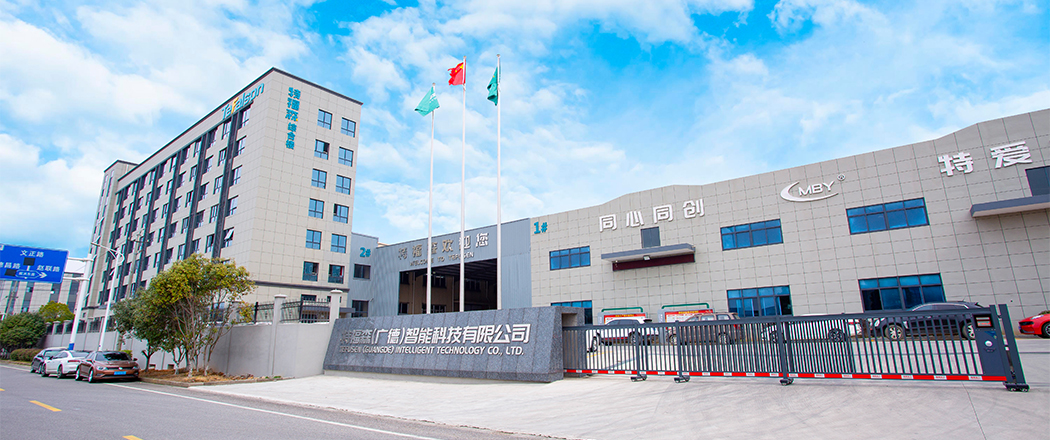
The expertise behind these complex systems is honed over decades. Tefusen (Guangde) Intelligent Technology Co., Ltd. is a comprehensive pump enterprise integrating design, production, sales of pumps, and water treatment solutions, with over 30 years of dedicated expertise in the pump industry. Equipped with a strong R&D team, advanced production facilities, and comprehensive testing equipment, such as automatic winding machines, insertion machines, shaping machines, binding machines, CNC lathes, grinding machines, milling machines, dynamic balancers, electrophoresis lines, injection molding machines, and various testing instruments, Tefusen possesses the capability to conduct full-scale performance tests on pumps. This rigorous manufacturing and testing process ensures that each unit, from a residential well pump to a heavy-duty industrial deep well pump, meets high standards of performance and reliability before it is ever installed in a well.
One of the most common and earliest indicators of a developing problem is a noticeable reduction in water pressure at your taps, showerheads, and appliances. This decline is rarely abrupt; it typically manifests as a gradual weakening of flow over weeks or months. While occasional fluctuations can be normal, a persistent and worsening trend points directly to an issue with the water well submersible pump.
Several pump-related failures can cause this symptom. The most frequent culprit is wear on the pump’s impellers and diffusers. These are the primary moving parts that impart energy to the water. Over years of service, especially in water containing abrasive sand or silt, these components can erode. As the clearances between the impellers and their housings widen, the pump’s efficiency drops. It continues to run, but its ability to generate sufficient pressure and volume (gallons per minute, or GPM) diminishes significantly. This is often described as the pump “losing its prime,” though that term is more technically accurate for shallow-well jets pumps.
Another potential cause for low pressure is a clogged or obstructed intake screen. Most submersible pumps have a screen at the bottom of the unit designed to prevent large debris from entering the pump stages. If this screen becomes clogged with sediment, organic matter, or mineral deposits, it severely restricts water flow into the pump, directly limiting output. In areas with hard water, mineral scale (calcium carbonate) can build up inside the pump’s internal passages and the plumbing itself, creating the same flow-restricting effect. A qualified technician can often diagnose this through performance testing and well data.
Your pump’s cycle—the process of turning on to refill the pressure tank and turning off once the预设 pressure is reached—should be relatively infrequent and consistent. Abnormal cycling behavior is a critical sign of trouble. If you notice the pump switching on and off much more frequently than usual (a condition known as “short cycling”) or if it runs continuously without shutting off, you have a clear signal that the system is failing.
Short cycling is often related to a loss of pressure in the storage tank, usually caused by a ruptured or waterlogged bladder inside the tank. However, it can also be a sign of a problem with the pump. If the pump cannot achieve the system’s cut-off pressure (typically 40-60 PSI) due to wear or a leak, it will run continuously in a futile attempt to reach it. Conversely, if a leak in the drop pipe or fittings is causing pressure to drop rapidly, the pump will cycle on repeatedly to compensate.
A pump that runs non-stop is under immense duress. This constant operation overheats the motor, which relies on the flow of surrounding water for cooling. A submerged motor that runs dry or without adequate coolant can overheat and burn out in a very short time, leading to a complete and costly failure. This symptom demands immediate attention to diagnose whether the issue is a pump unable to build pressure, a significant leak in the system, or a faulty pressure switch.
If your water flow sputters or pulses erratically, especially when multiple faucets are open, it often indicates that air is entering the water line. This phenomenon, known as “air over water,” can have two primary causes related to your submersible well pump.
The first is a drop in the well’s water level below the pump’s intake. This can be a temporary seasonal issue or a sign of a long-term decline in the aquifer. When the water level dips too low, the pump begins to draw both water and air, which creates the sputtering effect at your fixtures. If this continues, it will lead to the pump running dry, which can cause catastrophic overheating and motor failure in a matter of minutes.
The second cause could be a leak in the drop pipe or a faulty check valve. The drop pipe is the length of pipe that connects the pump to the plumbing system at the wellhead. A small crack or loose connection in this pipe below the water level can allow air to be sucked into the system. Similarly, the check valve’s job is to hold water in the pipe when the pump shuts off. If it fails, water can flow back down into the well, allowing air to fill the void in the pipe. The next time the pump starts, it must first push this air column through your plumbing, resulting in sputtering and pressure surges.
The sudden appearance of sand, silt, or muddy water in your plumbing is a definitive warning sign. A properly functioning submersible deep well pump draws water from a clear section of the well, above the sediment bed at the bottom. If you begin to see grit in your water, it means the pump is drawing from too deep or that the well structure itself may be compromised.
This often occurs due to a drop in the water table. If the water level falls, the pump may be positioned closer to the silt bed at the bottom of the well, pulling sediment into the system. In other cases, the well screen—a perforated section at the bottom of the well casing that allows water in while filtering out sediment—can become damaged or corroded over time, allowing unfiltered sandy water to enter the well and be pumped out.
While not always a direct failure of the pump itself, pumping sandy water is extremely abrasive and will rapidly accelerate the wear on the pump’s impellers, bearings, and seals. What might start as an external well issue will quickly lead to the internal failure of the pump if not addressed promptly by a well professional.
While submersible pumps are famously quiet because they are buried deep underground, their sound can sometimes be transmitted through the plumbing. Any new or unusual noise warrants investigation.
A common complaint is a low humming sound from the well without the pump activating. This could indicate that electricity is reaching the pump (meaning the pressure switch or control box is signaling it to start) but the motor is seized or damaged and cannot turn over. This is a serious electrical issue that requires immediate disconnection of power to prevent further damage.
Grinding, scraping, or rattling noises heard through the pipes when the pump is running are particularly alarming. These sounds typically suggest serious internal mechanical failure. Potential causes include worn bearings that are allowing the shaft to wobble, a broken impeller that is rattling around inside its housing, or debris that has entered the pump and is being chewed up by the impellers. These sounds indicate that the pump is actively destroying itself from the inside, and continued operation will lead to a complete lock-up.
A gradual but noticeable increase in your electricity consumption, without another obvious cause, can often be traced back to an inefficient submersible pump. As the pump’s internal components wear, its efficiency drops. The motor must work harder and draw more amperage to achieve the same output, or it may run for much longer cycles to fill the pressure tank. This increased energy draw accumulates over a monthly billing cycle. Monitoring your pump’s power consumption with a clamp meter is a technical method a well servicer uses to assess pump health, but the bill itself can be the homeowner’s first clue.
The most definitive sign of failure is, of course, a complete lack of water. When you turn on a faucet and nothing comes out, the problem has progressed to a critical stage. Before assuming the pump itself has failed, it is prudent to check for power issues. Ensure a circuit breaker hasn’t tripped and that the pressure switch and control box are receiving power. If power is confirmed, then the diagnosis points to the submersible deep well pump or its associated components.
A complete lack of water could mean the motor has burned out due to age, overheating from running dry, or electrical surge. It could also indicate a catastrophic mechanical failure, such as a seized shaft or completely failed bearings, that prevents the motor from turning. Another possibility is a broken drop pipe or coupling that has separated, meaning the pump is running but the water is not reaching the surface.
যোগাযোগ করুন
ঠিকানা ১:
নং 4 তাওয়ুয়ান রোড, তাওঝু টাউন, গুয়াংদে সিটি, জুয়ানচেং সিটি, আনহুই প্রদেশ, চীন
ঠিকানা ২:
ডেক্সি টাউন, ওয়েনলিং সিটি, তাইজৌ সিটি, ঝেজিয়াং প্রদেশ, চায়না পাম্প ইন্ডাস্ট্রি ইন্টেলিজেন্ট ম্যানুফ্যাকচারিং টাউন